
Casting
Casting is the only method suitable for heavy magnets (30kg and above). Hence, Alnico magnet manufacturers use it for that purpose.
There are eight steps in the manufacture of cast Alnico magnets.
Alnico Magnets
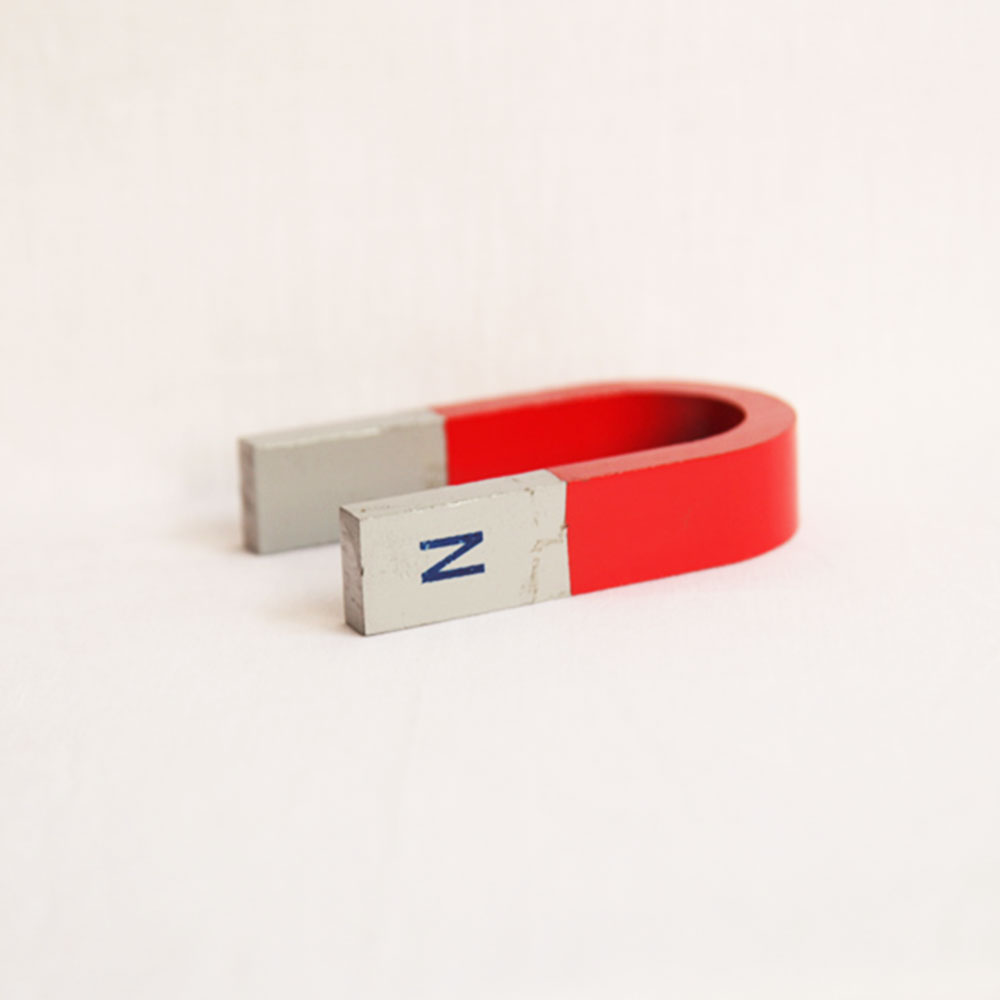
U shape alnico magnet
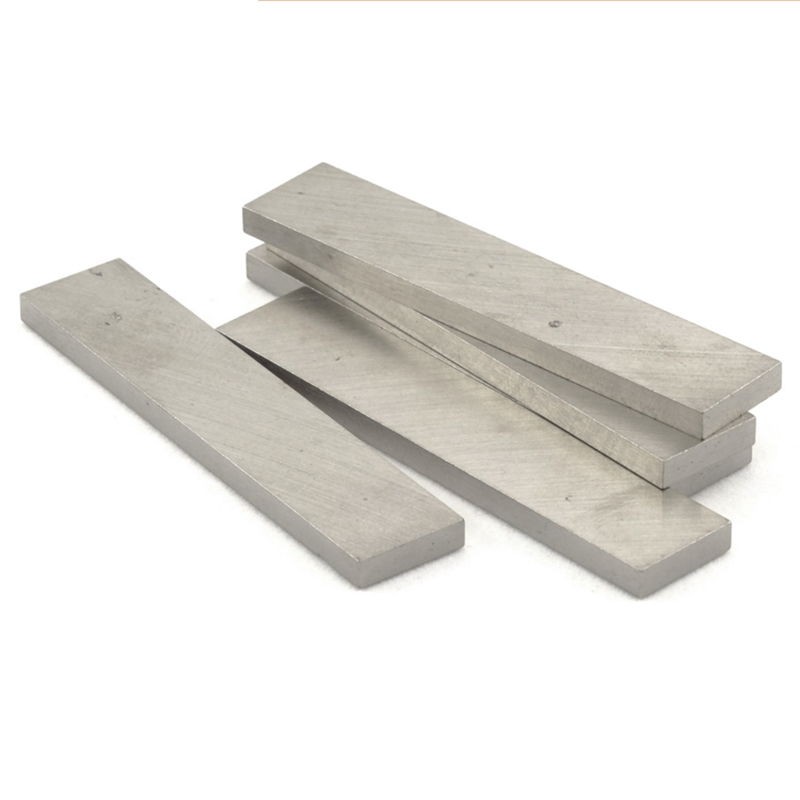
Magnetic Customized Alnico Neodymium Bar Magnet For Guitar Pickup
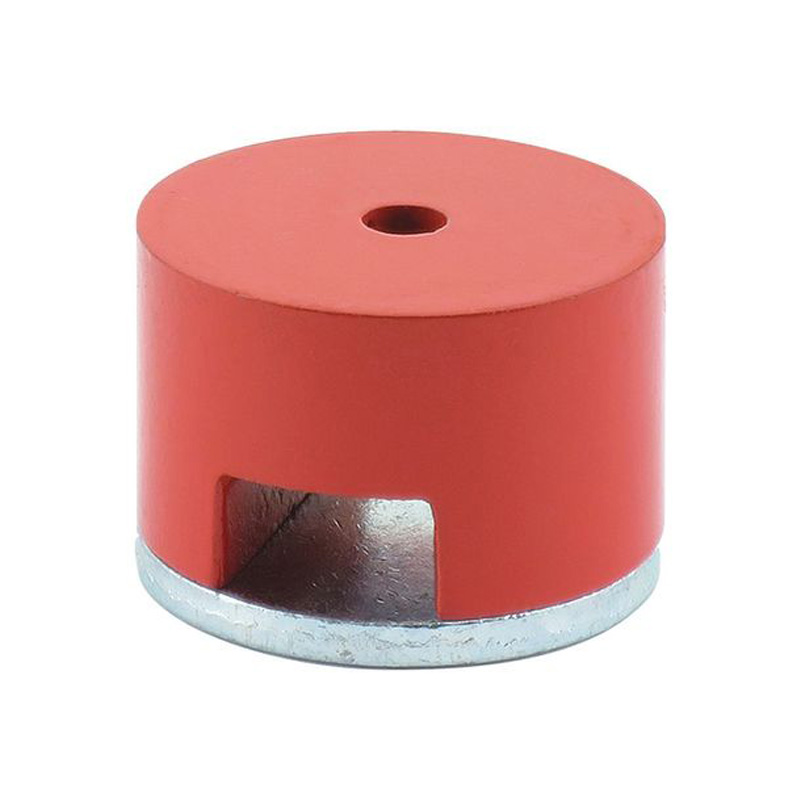
high resistance alnico button magnets for holding devices for welding

Encased Alnico Magnets With Threaded Hole
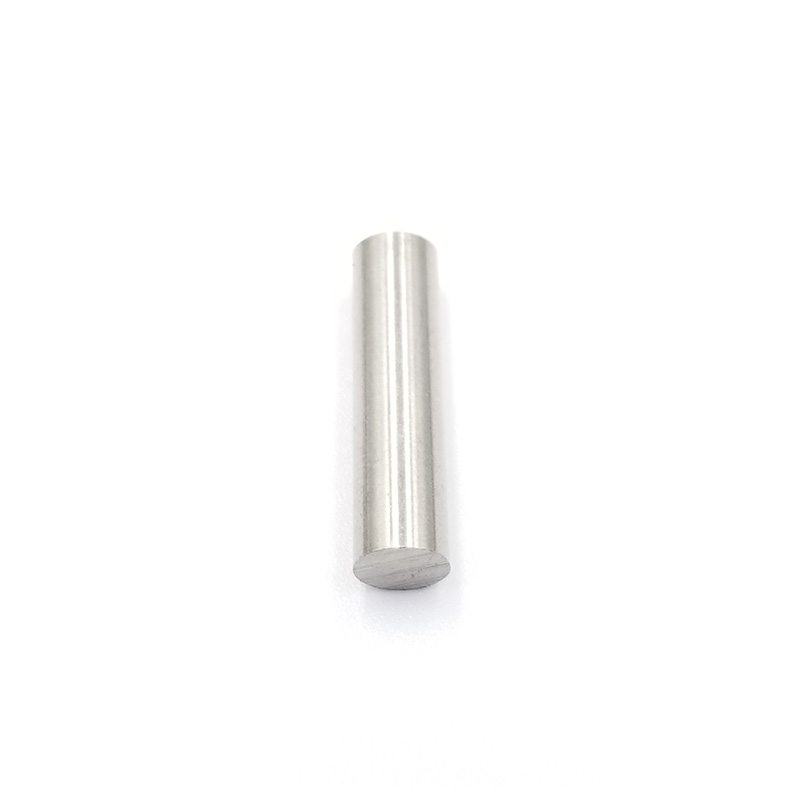
Alnico Cylinder Magnet for Pickups
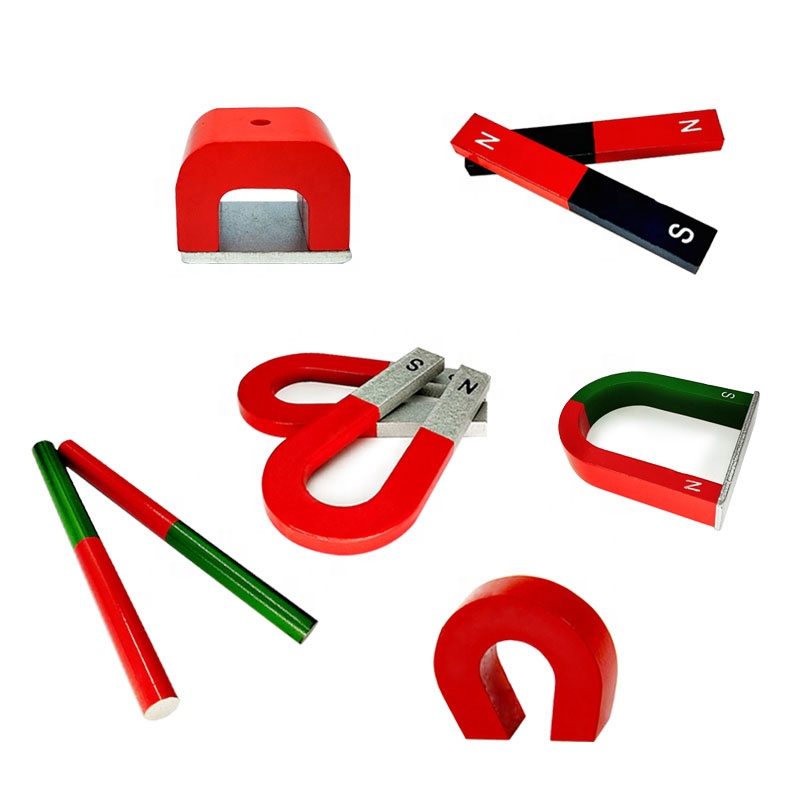
100mm Length Educational Magnet Bar Industrial Magnet Alnico Magnet Permanent Moulding 1%
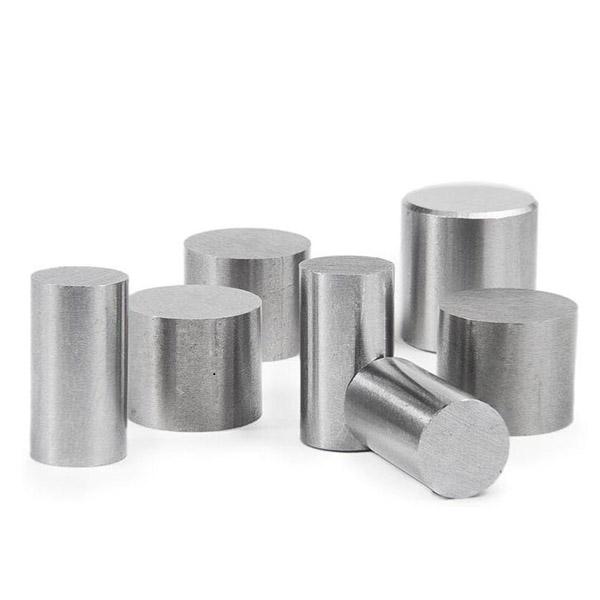
AlNiCo_rod_disc
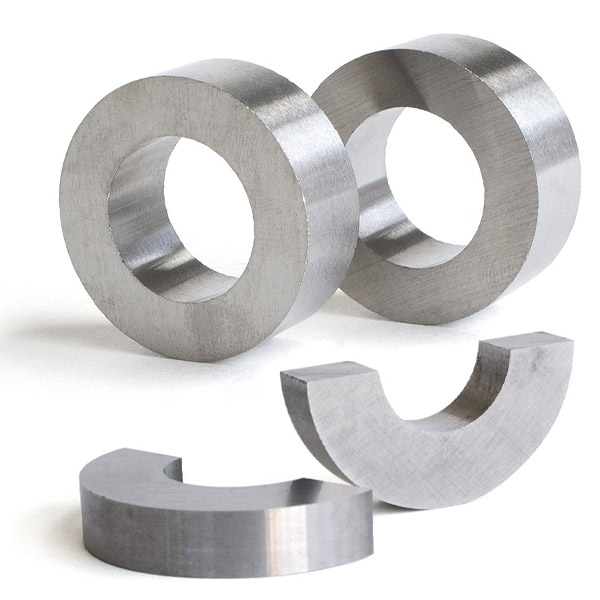
AlNiCo_ring
Contact Us
Alnico magnets Introduction
Magnets are scattered all around us. It’s like every turn you make, and there lies a magnet. Be it in your television, radio transmitter, door seals of refrigerators and freezers, earphones, MRI machines, vending machines, and many more.
Magnets play a massive role in electrical appliances such as electric motors, loudspeakers, sensors, etc. Magnets have become an indispensable feature of several industrial operations, and they don’t seem to be going away soon.
Since magnetism was discovered by William Gilbert and Hans Christian Orsted, there has been a significant advancement in our knowledge of magnets. -The truth is there are still uses of magnets yet discovered. It wouldn’t be surprising with the advance in technology, for many industrial applications of magnets to be discovered as the age progresses.

Alnico magnets
Alnico magnets are permanent magnets that are an alloy of Aluminium (Al), Nickel (Ni), and Cobalt (Co). The name itself is derived from a combination of the symbols of the chemical elements- Al-Ni-Co. Copper, Iron, Titanium, and Niobium are added on rare occasions. Often, the reason Alinco manufacturers include them is to get the desired property. The first Alnico magnet was made in 1931.
The properties of an Alnico magnet correlates with its composition and its amounts. In addition to that, the percentage composition of each element in the magnet determines the properties of the magnet. Below is a table showing the percentage of each element.
| Elements | Percentage composition |
| Aluminium (Al) | 6-13% |
| Nickel (Ni) | 13-26% |
| Cobalt (Co) | 0-42% |
| Copper (Cu) | 2-6% |
| Titanium | 0-9% |
| Niobium (Nb) | 0-3% |
| Iron (Fe) | Balance |
Properties of Alnico Magnets
- Alnico alloys are the only magnets able to survive red hot temperatures (500-800 degrees celsius) without a significant loss of magnetic properties. Alnico magnets have the slightest degree of depreciation per degree rise in temperature.
That’s not all.
Their curie point is around 800 degrees celsius, which makes them suitable for applications in the automotive and aerospace industries and the military.
- Alnico magnets also have electromagnetic properties.
- Alnico alloys have strong corrosion resistance. They do not require a coating to be protected from corrosion.
- They have a low coercive force which means they can be demagnetized easily by external forces. Hence, it’s important to handle them with extreme caution.
- Alnico magnets have the highest magnetic flux density.
- There are alnico magnets with anisotropic properties (magnetized in only one axis-are more powerful) and others with isotropic properties (they can be magnetized in more than one axis). Isotropic alnico magnets, although weaker, have a wider range of industrial applications).
These properties combine to make alnico magnets a perfect fit for generators, loudspeakers, high-temperature areas, meters, motors, switches, radar, etc.
What are the types of Alnico magnets?
Fifteen (15) grades of alnico magnets exist. Four (4) are Isotropic (three are cast and the other is sintered), and eleven (11) are Anisotropic (seven are cast while the remaining four are sintered). The different grades don’t necessarily translate to different magnetic strengths. But, they have different compositions and different properties.
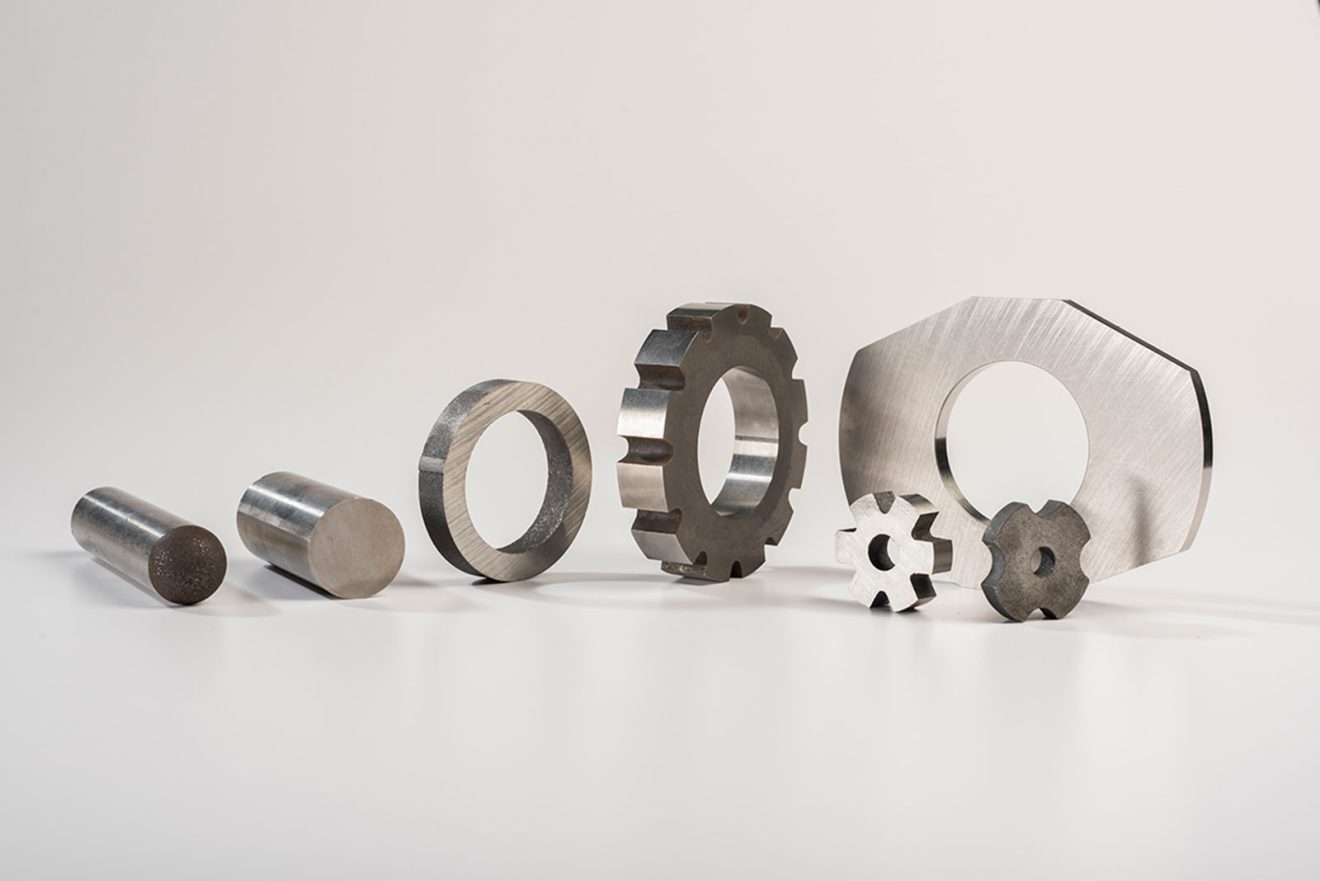
However, alnico 1-9 are the most popular grades of alnico.
How Alnico magnets are made
Alnico magnet manufacturers produce Alinco magnets either by casting or by sintering. Manufacturing alnico magnets by casting have higher density and magnetic properties. However, the production of sintered alnico magnets is comparatively cheaper than casted ones. The sintered variant has a broader range of industrial applications.
Casting
Casting is the only method suitable for heavy magnets (30kg and above). Hence, Alnico magnet manufacturers use it for that purpose.
There are eight steps in the manufacture of cast Alnico magnets.
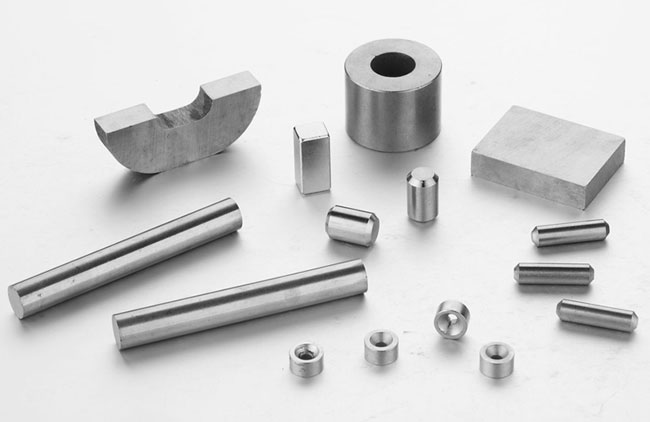
- Furnace treatment
Depending on the grade of alnico magnet you’ll want to produce, the requisite proportions of each element are brought together and fed into a foundry furnace. The foundry furnace is heated to 1750-1780 degrees celsius. As a side note, the amount of aluminium should exceed the amount you require. This is due to its low melting point (680 deg celsius), which means that some will be lost in the process.
You should also take note of the time because it influences the Al: Ni ratio.
- Moulding
The molten alloy is transferred to an already prepared mould which takes the shape of the finished magnet. The moulds are large green sand moulds or shell moulds that burn when the magnet has cooled.
The moulds are usually a little larger than the required magnet to allow shrinkage and account for losses when cutting to size.
- Cleaning and trimming
The casted magnets are cleaned, and excess moulding materials are trimmed out using grinding machines.
- Hardening
Alnico magnets derive some of their magnetic properties from their exposure in the foundry furnace and this step. They gain their temperature coefficients from the final tempering that occurs here. This step is also responsible for their brittleness.
After the magnets have been cleaned and fettled, they are subjected to immense heat until they are red hot. While cooling, they are exposed to a strong magnetic field (via magnetisers).
They are then transferred to large ovens to harden and stabilise them.
- Surface finishing
This stage is not always required. However, if required, the hardened magnet is trimmed to size using a grinding machine. Due to the brittle nature of alnico magnets, grinding requires special machines and care to avoid cracking.
- Testing
They can be tested using gauss meters, flux meters, etc.
- Coating
The casted magnet has a typical dark grey or black colouration. If the magnet is required in a different colour, it can be painted for aesthetic reasons.
- Magnetising
If needed, the magnets can be magnetised by passing them through a solenoid magnetiser with an electrical pulse sufficient to generate a magnetic field.
Sintering
The low strength of their magnetic field is compensated for by their mechanical strength.
Casting is better for large magnets, while sintering is suited for small magnets. Although casting can produce Alnico magnets on a large scale, it would cost a lot. Hence, sintering is preferred by Alinco magnet manufacturers for the large-scale production of Alnico magnets.
The production of sintered alnico magnets takes place in five steps.
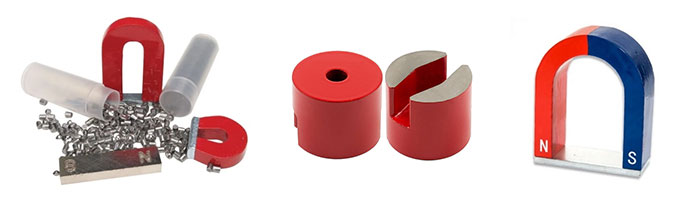
Let’s get right into it:
- Pressing
First off, the raw materials are ground into powdered form and subjected to high pressure in a die shaped like the required magnet.
- Sintering
The “powdered magnet” is put in a furnace at 1200-1600 degrees Celsius under hydrogen. The intense heat fuses the powdered elements together.
The combination of the immense pressure and heat makes sintered alnico magnets mechanically stronger than cast alnico magnets.
- Cooling
The red-hot magnet is allowed to cool a bit. There are two options: to cool it under the influence of a magnetic field (anisotropic) or without the influence of a magnetic field (isotropic).
Just as you would expect, anisotropic magnets have a stronger magnetic field than their isotropic counterpart.
- Coating
Sintered magnets are placed in containers called dies, whose shape is pretty close to the shape of the finished magnet. This eliminates the need for grinding, trimming, and surface finishing. However, some Alinco magnet manufacturers may choose to fettle the edges.
Just as in casted magnets, sintered magnets can be coated -if necessary- with different colours of paint. This is not to avoid rust but for aesthetic appeal.
The colour of choice seems to be predominantly red.
- Magnetising
it is placed in a coil or solenoid magnetiser while electricity is passed through the magnetiser. The electric current is small but enough to magnetize the magnet completely.
How strong are Alnico magnets?
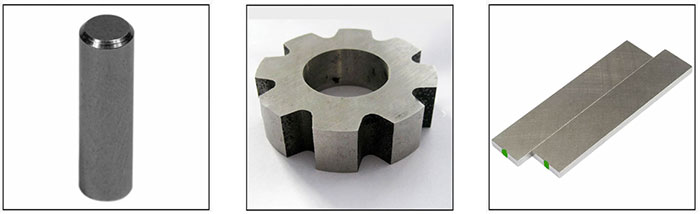
Alnico magnets were formerly famed to be the strongest magnet before the invention of rare earth magnets in 1970. Despite the comparatively lower strength of their magnetic field, Alnico magnets still have a wide range of applications, especially in equipment exposed to high temperatures. Rare earth magnets lose their magnetism permanently when heated to or exposed to temperatures beyond their curie point.
On the other hand, Alnico magnets are far stronger than ceramic magnets and possess a magnetic field strength 3000 times that of earth.
Alnico magnets versus neodymium magnets
Presently, neodymium magnets are the strongest magnets. They are also less resistant to corrosion and cost more than Alnico magnets. On the flip side, neodymium magnets are not able to withstand high temperatures.
However, each magnet is suited for a specific application. In all, you should put the project, price, and specifications of the magnet you need before you purchase. If you’re confused, you can contact an Alnico magnet manufacturer or an Alnico magnet supplier to get guidance and specifications.
What are the uses of Alnico magnets?
The use of Alnico magnets is immense across different industries. Most of them take advantage of the ability of Alnico magnets to withstand high temperatures without significant loss in magnetic properties.
Examples of uses include:
- Microphones
- Electric guitar pickups
- Speaker
- Headphones
- Electric motor
- Sensors
- Bearings
- Robots
- Military machinery
- Aerospace machinery
This article would not be sufficient to spell out all the applications.
Where to buy Alnico magnets
A simple google search will reveal numerous Alnico magnet manufacturers and Alnico magnet suppliers. If you’re visiting this page after doing so, you’ll undoubtedly agree with me. Hence, finding a reliable alnico magnet manufacturer and an Alnico magnet supplier may be a hard nut to crack.
Dailymag. That’s the place to get quality magnets.
Dailymag is a reliable alnico magnet manufacturer and an Alnico magnet supplier based in China. With a rich experience of over 16 years, professional workers, and a skilled R&D team, we craft magnets that tick all the boxes of quality, efficiency, and durability.
Unlike other Alnico magnet manufacturers, our magnets are affordable yet quality. As a reputable Alnico magnet manufacturer and alnico magnet supplier, we place importance on quality. We use strict quality assurance procedures to achieve it. Many clients across the world continue to attest to this.
You can get your magnet delivered to you 2-5 days quicker than other Alnico magnet suppliers but at the same price. Even after delivery, you can contact our after-sales team for technical assistance, complaints, etc. They are always on hand to respond to you.
You could make your request now by contacting our customer care desk with top-notch service.